What Nutrient Density Really Means
Defining Nutrient Density
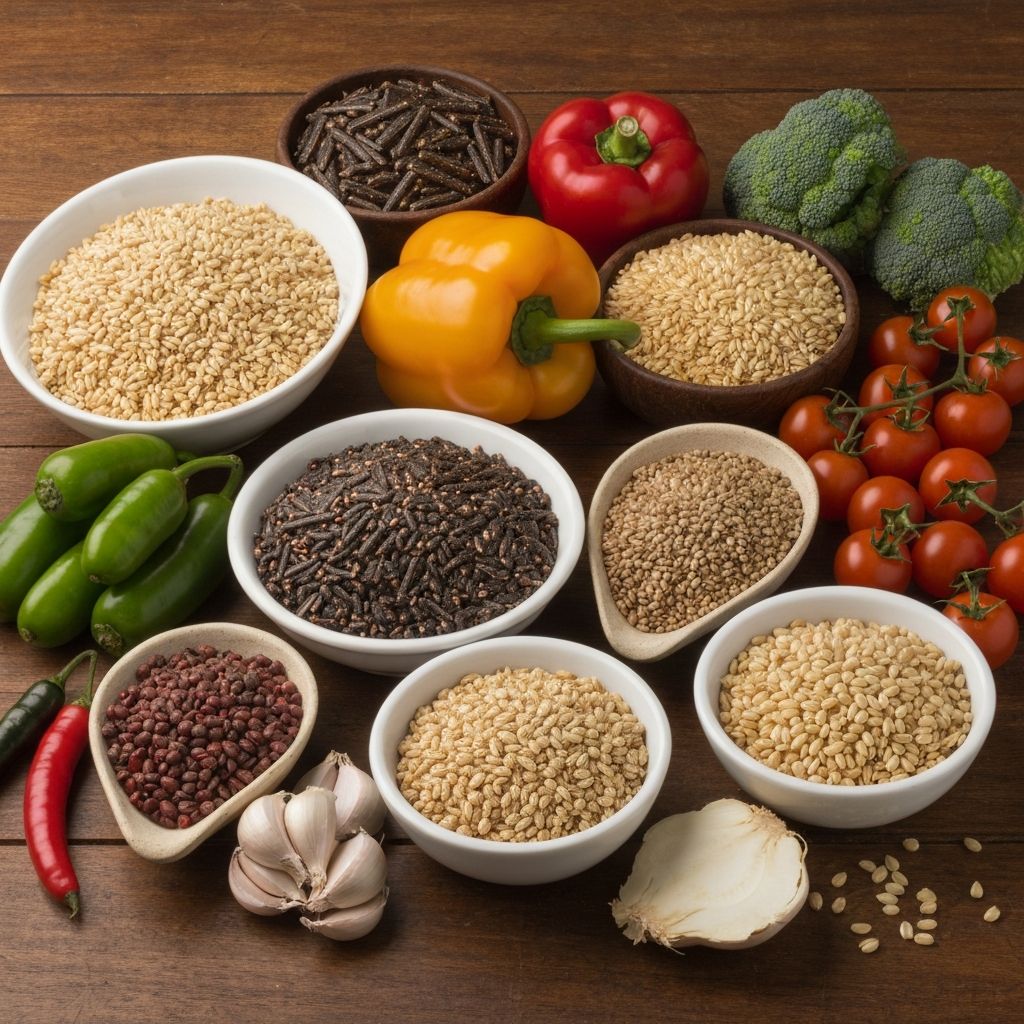
Nutrient density is a fundamental concept in nutrition that describes the concentration of beneficial nutrients relative to calorie content. A nutrient-dense food provides substantial amounts of vitamins, minerals, fiber, and other beneficial compounds relative to its calorie content. Conversely, a nutrient-poor food provides calories with minimal nutritional value.
Nutrient density matters because our bodies require specific amounts of various nutrients to function optimally. These nutritional requirements remain relatively constant regardless of total calorie intake. Therefore, choosing nutrient-dense foods helps ensure adequate nutrition while supporting weight stability.
Examples of Nutrient-Dense Foods
Vegetables
Vegetables are among the most nutrient-dense foods available. They provide vitamins (particularly vitamins A, C, and K), minerals (potassium, magnesium, iron), fiber, and beneficial plant compounds with minimal calories. A large serving of vegetables provides substantial satiety and nutrition with relatively few calories.
Fruits
Whole fruits contain natural sugars, fiber, vitamins, and antioxidants. The fiber in whole fruits contributes to satiety and slows sugar absorption. Fruit provides nutrition and satisfaction with moderate calorie density relative to other foods.
Legumes
Beans, lentils, and peas provide plant-based protein, fiber, and a range of minerals. They provide satiety through their combination of protein and fiber, making them valuable for sustainable eating patterns.
Whole Grains
Whole grains retain the bran and germ, providing fiber, B vitamins, minerals, and phytonutrients. The fiber content supports satiety and stable energy release, distinguishing whole grains from refined grain products.
Nuts and Seeds
Despite higher calorie density, nuts and seeds provide substantial protein, healthy fats, fiber, vitamins, and minerals. Modest portions provide significant nutritional value and satiety.
Unprocessed Proteins
Fish, poultry, eggs, and unprocessed meats provide protein and various micronutrients with minimal caloric excess. Protein supports satiety and maintains muscle mass during weight changes.
Nutrient Density and Satiety
Nutrient-dense foods tend to promote satiety—the feeling of fullness and satisfaction after eating. Several factors contribute to this relationship:
- Fiber Content: High-fiber foods require more chewing and expand in the digestive system, promoting a longer sense of fullness
- Protein Content: Protein is highly satiating and signals fullness more effectively than carbohydrates or fats
- Water Content: Foods with high water content like vegetables and fruits provide volume with fewer calories
- Micronutrient Status: When the body receives adequate nutrients, appetite signals may be more appropriately regulated
Comparison with Nutrient-Poor Foods
Nutrient-poor foods typically provide substantial calories with minimal vitamins, minerals, fiber, and other beneficial compounds. These foods are often highly processed, containing added sugars, unhealthy fats, and sodium while lacking the fiber and nutrients of whole foods. Nutrient-poor foods tend to promote less satiety, leading to overconsumption despite adequate or excessive calorie intake.
This does not mean these foods must be eliminated entirely. Rather, recognizing their role as occasional foods rather than dietary staples supports both nutrition and weight stability.
Building a Nutrient-Dense Diet
Supporting long-term weight management through nutrition involves prioritising nutrient-dense whole foods as the foundation of your diet. This approach:
- Ensures adequate vitamins, minerals, and beneficial compounds
- Typically results in natural calorie control through improved satiety
- Supports sustained energy and mood stability
- Reduces cravings and overeating patterns
- Promotes both weight stability and overall health
Practical Implementation
Building meals around nutrient-dense whole foods is straightforward:
- Fill half your plate with vegetables
- Include a protein source at each meal
- Choose whole grains over refined grains when eating grain products
- Include healthy fats from nuts, seeds, avocados, or oils
- Eat fruit as part of your daily intake
- Choose whole foods over processed alternatives when possible