Energy Balance: The Core Principle of Weight Management
Understanding the Fundamental Concept
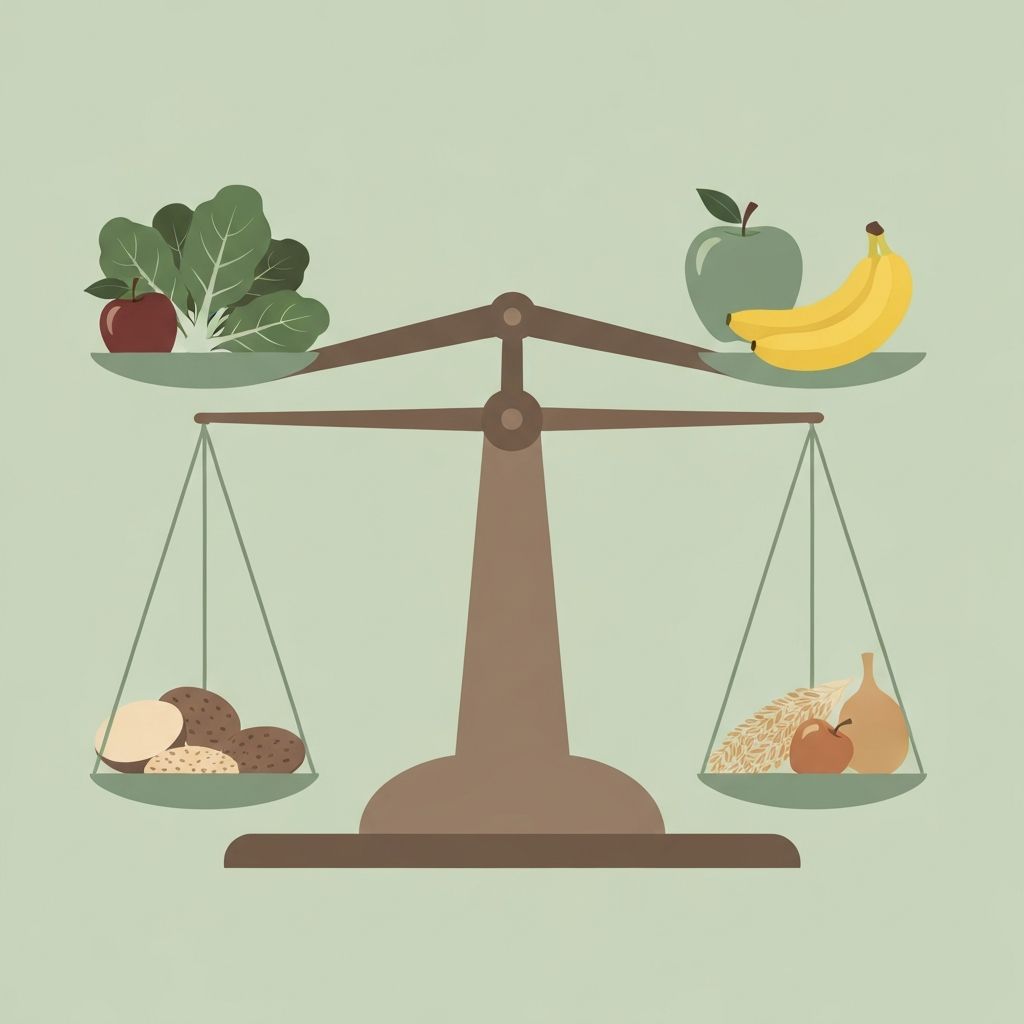
Energy balance is the cornerstone principle underlying weight management. At its essence, it describes the relationship between energy consumed through food and beverages and energy expended through bodily functions and activity. This principle is universal and applies to all humans, regardless of age, genetics, or lifestyle.
When we consume energy (measured in calories) equal to what we expend, weight remains stable. This state is called energy equilibrium. When energy intake exceeds expenditure, the body stores the excess as tissue—typically fat—resulting in weight gain. Conversely, when expenditure exceeds intake, the body draws on stored energy, resulting in weight loss.
The Three Components of Energy Expenditure
Total daily energy expenditure consists of three primary components:
- Resting Metabolic Rate (RMR): The energy required to maintain basic bodily functions at rest—breathing, circulation, cellular processes, and organ function. This accounts for approximately 60-75% of total daily expenditure in sedentary individuals.
- Thermic Effect of Food (TEF): Energy expended in digesting, absorbing, and processing nutrients from food. Different macronutrients require different amounts of energy to process. This accounts for approximately 8-15% of total daily expenditure.
- Activity Energy Expenditure (AEE): Energy expended during structured exercise and daily movement. This includes occupational activity, transportation, household tasks, and intentional physical training. This component varies most between individuals.
Individual Variability in Energy Balance
While energy balance is a universal principle, the specific factors influencing each side of the equation vary significantly between individuals. Understanding this variability is crucial for realistic expectations and sustainable approaches.
Variability in Energy Intake
Calorie intake is influenced by food choices, portion sizes, eating frequency, and eating behaviour. However, energy intake is not simply a function of conscious choice. Appetite hormones, food availability, eating environment, psychological factors, and past dietary experiences all influence how much we consume.
Variability in Energy Expenditure
Energy expenditure varies between individuals based on:
- Age: Resting metabolic rate typically decreases with age due to gradual loss of muscle mass
- Sex: Biological differences influence metabolic rate and body composition
- Body Composition: Muscle tissue is metabolically active and requires more energy to maintain than fat tissue
- Genetics: Inherited factors influence metabolic efficiency and energy expenditure patterns
- Activity Level: Both structured exercise and daily movement contribute to expenditure
Metabolic Adaptation
When energy intake is significantly reduced, the body adapts by decreasing energy expenditure. This metabolic adaptation is a normal physiological response designed to preserve energy during periods of scarcity. Expenditure may decrease through reduced movement, slower metabolic rate, or reduced thermic effect of food.
This adaptation is temporary and reversible. When energy intake returns to adequate levels, metabolic rate typically normalizes over time. However, metabolic adaptation explains why weight loss often slows after initial changes and why sustaining very low calorie intake becomes progressively more difficult.
Weight Loss Versus Weight Stability
Creating an energy deficit through either reduced intake, increased expenditure, or both results in weight loss. However, maintaining a lower weight long-term requires achieving a new energy balance at the lower weight. Simply returning to previous eating and activity patterns typically results in weight regain.
This is not failure or evidence of a "broken metabolism." Rather, it reflects the principle that weight is maintained through consistent energy balance. Sustaining weight at any level requires maintaining the behaviours that support that balance.
Practical Application of Energy Balance
Understanding energy balance helps contextualize various dietary approaches. Low-carbohydrate, high-fat, high-protein, intermittent fasting, and numerous other approaches work for weight loss when they result in reduced total energy intake—not because of any magical properties of macronutrient ratios or timing.
Different approaches may be more sustainable or comfortable for different individuals. The approach that works best is the one that results in consistent energy balance and is sustainable long-term.